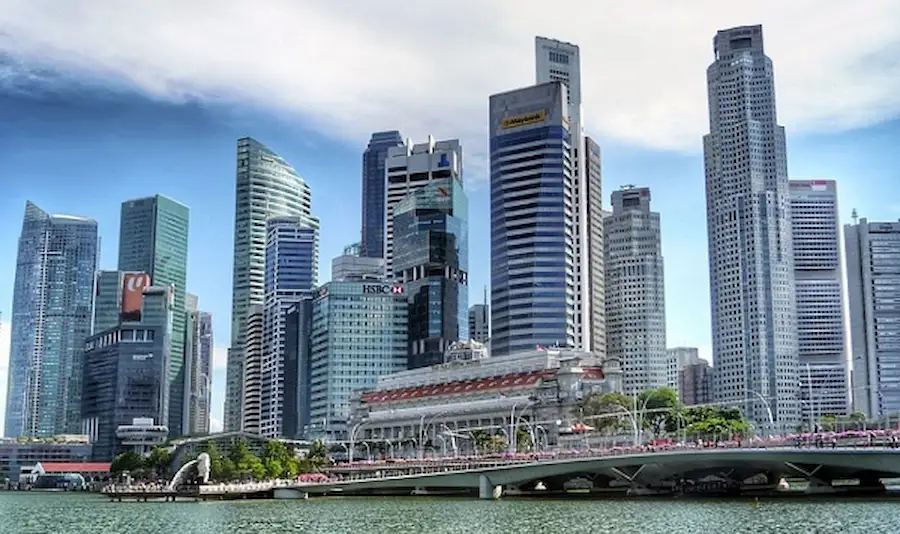
Property investment Singapore has become one of the most talked-about topics among new and experienced investors. With its stable economy, strong legal system, and consistent demand for housing, Singapore continues to attract both local and international buyers looking for long-term growth and rental income.
In this guide, I’ll break down everything in a simple, practical way based on real market experience and common investor mistakes I’ve seen over the years in the Singapore luxury condos segment.
Content
Understanding the Singapore Real Estate Market
Before jumping into investment, it’s important to understand the Singapore real estate market trends. Unlike many countries, Singapore has a tightly regulated property system. This helps maintain stability but also limits speculative buying.
Over the past decade, property prices have shown steady growth, especially in private condominiums. This makes investment properties in Singapore highly attractive for long-term investors focusing on capital appreciation and rental yield.
Key drivers include:
Limited land supply
Strong foreign demand
High population density
Government cooling measures to stabilize prices
Why Property Investment Singapore Is So Popular
Many beginners ask, is property investment in Singapore profitable? The answer depends on your strategy.
Generally, Singapore is not a “quick flip” market. Instead, it rewards long-term holding strategies, especially in condo investment Singapore.
Here’s why investors continue to enter the market:
Stable political and economic environment
Strong rental demand from expats
High-quality infrastructure and transport
Reputation as a global financial hub
From my personal experience working with buyers, those who stay invested for 7–10 years often see the best returns, especially in well-located condominiums.
Best Property Investment Strategies in Singapore 2026
If you are planning for best property investment strategies in Singapore 2026, you should focus on timing, location, and property type.
Here are three proven approaches:
1. Long-Term Capital Growth Strategy
Buy in high-demand districts and hold for appreciation. This is the most common approach among experienced investors.
2. Rental Income Strategy
Focus on Singapore condo investment for rental income, especially near MRT stations, business hubs, and universities.
3. Early Launch Investment Strategy
Buying during launch phases often provides better entry pricing and future upside.
Top Locations for Property Investment Singapore
Choosing the right location is one of the most critical decisions. Some top locations for property investment Singapore include:
Central Business District (CBD)
Orchard Road
Marina Bay
Bukit Timah
Tampines (for suburban growth potential)
These areas consistently show strong demand and better liquidity in resale markets.
Condo Investment Singapore: Why It Leads the Market
Private condominiums are the backbone of the Singapore investment market. They offer:
Better rental yields compared to landed homes
Strong expat demand
Facilities like gyms, pools, and security
Easier maintenance and management
One example in the luxury segment is Lucerne Grand, which reflects how modern developments are designed for both lifestyle and investment value. Properties like this often attract both end-users and investors, making them easier to rent or resell.
How to Invest in Singapore Real Estate for Beginners
If you’re just starting, here is a simple breakdown:
Define your budget and financing options
Research property investment opportunities in Singapore
Choose between new launch or resale properties
Evaluate rental demand in the area
Work with a licensed property agent
Consider long-term holding strategy
Beginners often make the mistake of rushing into purchases without analyzing rental yield and future demand. Avoid that.
How Foreigners Can Invest in Singapore Property
Many international investors ask how foreigners can invest in Singapore property. The good news is that Singapore allows foreign ownership of private condominiums.
However:
Foreigners cannot buy most landed properties without approval
Additional Buyer’s Stamp Duty (ABSD) applies
Financing rules may differ from locals
Despite this, Singapore remains one of the most transparent markets in Asia for foreign investment.
Real Estate ROI Singapore: What to Expect
When evaluating real estate ROI Singapore, investors usually look at two components:
Rental yield (typically 2%–4%)
Capital appreciation (long-term growth potential)
While rental yields may seem moderate, the stability and long-term appreciation often balance the returns.
Case Study: A Real Investor Experience
Let me share a simplified real-world example from my experience in the Singapore luxury condos market.
A mid-career professional from Hong Kong invested in a 2-bedroom condominium in the Rest of Central Region (RCR) about 8 years ago. At that time, the property was not considered “prime,” but it was near an MRT station and a business district.
Rental demand stayed consistent due to expat workers
Property value increased significantly
By year 8, resale value reached around SGD 1.9 million
This reflects why many investors focus on Singapore housing market analysis before buying instead of emotional decisions.
The key takeaway: location and rental demand matter more than short-term market timing.
Risks You Should Not Ignore
Even though Singapore is stable, there are still risks:
High entry cost
Cooling measures from the government
Interest rate fluctuations
ABSD for multiple property buyers
Understanding these helps you build a more realistic investment plan.
Final Thoughts
Property investment Singapore is not about quick wins—it’s about strategic planning, patience, and choosing the right assets. Whether you are exploring investment properties in Singapore for rental income or long-term appreciation, success depends on research and timing.
If you are a beginner, start small, focus on location, and study property investment opportunities in Singapore carefully before making any decision.
With the right approach, Singapore remains one of the most reliable real estate markets in Asia for building long-term wealth.
Frequently Asked Questions
Is property investment Singapore good for beginners?
Yes, property investment Singapore is generally suitable for beginners because the market is stable and well-regulated. However, beginners should focus on understanding financing rules, location selection, and long-term holding strategies before buying.
Is property investment in Singapore profitable?
Many investors find it profitable over the long term. While rental yields are moderate, capital appreciation and strong demand for investment properties in Singapore make it attractive for wealth building over time.
Can foreigners invest in Singapore property?
Yes, foreigners can invest in private condominiums. However, restrictions apply to landed properties and additional taxes like ABSD may increase the overall cost of investment.
Is condo investment Singapore better than landed property?
For most investors, condo investment Singapore is more practical due to lower maintenance, stronger rental demand, and easier ownership rules—especially for foreigners.
Elena Mohr is a dedicated home blogger who has been blogging for over six years. She covers everything home related. Elena also loves writing posts about her travels to Europe with her husband and two children.